
Forms of Domestic Violence: It’s More Than Just Physical Abuse | Safe and Sound
Domestic violence is a distressing issue, causing not only physical harm but also leaving deep psychological scars on victims. When mentioning domestic violence, many people immediately think of physical beatings, but in reality, domestic violence takes many different forms that few people recognize. Psychologists and psychiatrists believe that recognizing and understanding these forms of violence is a crucial first step in preventing and resolving the problem.
Phi Thuy Linh | Bachelor of Public Health – Application of Safe and Sound Mental Health Care
Institute of Applied Medical Technology
1. Psychological violence
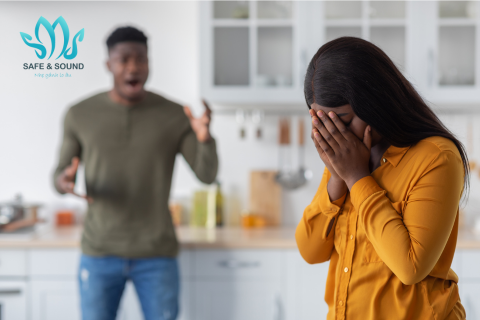
Image 1: Psychological abuse is a common form of domestic violence.
Psychological abuse is one of the most common forms of domestic violence, yet it is also one of the most difficult to identify. According to psychologists and psychiatrists, it is harmful to mental health, often expressed through words or actions aimed at hurting, belittling, or controlling others. Psychological abuse can include insults, ridicule, threats, or the use of manipulative tactics such as making the victim feel worthless or unworthy.
Psychologists and psychiatrists often emphasize that psychological violence can have serious consequences for a victim's mental health. It not only erodes self-confidence but can also lead to psychological problems such as anxiety, depression, and even mental breakdown. In many cases, victims of psychological violence may feel isolated and lose support from family and friends.
2. Sexual violence
Sexual violence within the family is often under-discussed, but it is a serious problem. It involves forcing someone to participate in sexual activities against their will or consent. Sexual violence is not limited to rape; it also includes forcing someone to perform sexual acts they feel uncomfortable with.
According to psychologists and psychiatrists, sexual violence can cause profound physical and mental harm. Victims often feel ashamed, blame themselves, and may develop serious psychological problems such as post-traumatic stress disorder (PTSD). Identifying and addressing sexual violence within the family is crucial for protecting the victim's health and well-being, psychologists share.
3. Financial control

Image 2: Financial control erodes the victim's self-confidence.
Financial control is a form of domestic violence in which a person uses complete control over a family's finances, making them economically dependent. This can include refusing to provide money for basic needs, controlling another person's income, or prohibiting another person from participating in financial activities.
Psychologists and psychiatrists argue that financial control not only creates financial pressure but also erodes victims' self-esteem and confidence. Without control over their finances, victims are more likely to become isolated and feel they have no choice but to endure the violence.
4. Social isolation
Social isolation is a form of violence in which a person prevents a victim from contacting friends, family, or the community. This can include controlling all of the victim's activities, prohibiting or restricting them from leaving the house, using the phone, or social media.
According to psychologists and psychiatrists, social isolation makes victims feel cut off from the outside world and deprived of support from those around them. This not only increases the risk of abuse but also intensifies feelings of despair and helplessness.
5. Verbal abuse
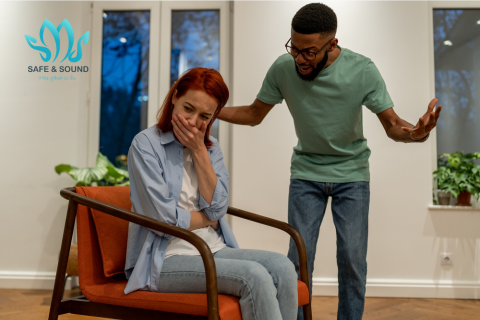
Image 3: Verbal violence is inflicting harm through words.
Verbal violence is the use of words to hurt, belittle, or threaten others. Offensive, derogatory, or humiliating words can cause deep emotional harm, making victims feel worthless and disrespected.
Psychologists and psychiatrists warn that verbal abuse, while not leaving physical wounds, can leave emotional scars that may never heal. Victims of verbal abuse often experience problems with self-esteem, anxiety, and depression.

Domestic violence is not limited to physical abuse but also encompasses many other forms such as psychological abuse, sexual abuse, financial control, social isolation, and verbal abuse. Identifying and understanding these forms of violence is a crucial first step in protecting victims and preventing violence.
Psychologists and psychiatrists recommend that if you or a loved one is experiencing any form of violence, seek immediate support. Psychologists, psychiatrists, and organizations supporting victims of domestic violence are available to listen and help. Don't let violence continue to harm you and your family; take action to protect yourself and those you love.
With the collaboration of psychiatrists, psychologists , and the application of technology in mental health care, Safe and Sound counseling/consultation service proudly pioneers in supporting you with "Early self-detection - Immediate emotional first aid - Long-term support."
If you suspect you have a mental health problem, or would like more information about our counseling services, please contact our HOTLINE at 0964 778 911 (Phone/Zalo, 24/7) for prompt assistance and answers!
HOW TO SCHEDULE AN APPOINTMENT for online or in-person consultation with a specialist.
- On the SNS Psychologist Fanpage
- Alternatively, download and schedule a consultation on the Safe and Sound app to manage and track your appointments anytime, anywhere.
Safe and Sound - part of the Institute of Applied Medical Technology (IMT)
See more:
Psychological impact of verbal abuse
Why do some people heartlessly commit violence against children?
